You can’t expect preschoolers to know how to be a good friend. We have to teach them! One of the greatest resources for teaching children how to be friends is to be there to co-regulate and navigate the tough stuff but we also have to intentionally create classrooms that support developing friendships and respectful classmates. We don’t all have to be friends, but we all have to be friendly.
Here are some intentional things I do to support both being a good friend and being friendly and respectful to everyone.
How To Teach A Preschooler To Be A Good Friend
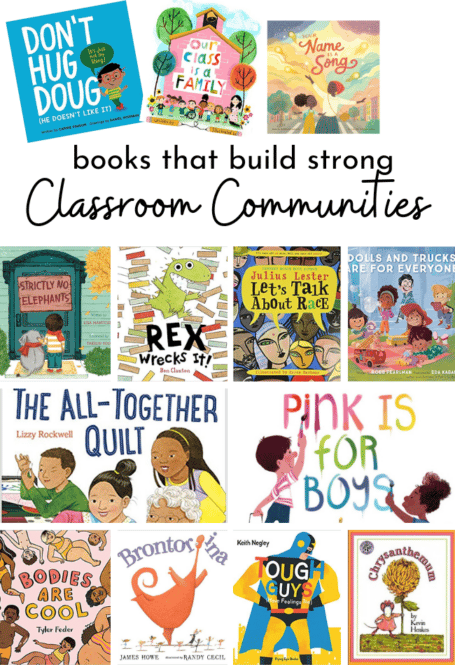
Use books about friendships to teach specific lessons when emotions are calm and receptive.
The books in the three links below are just a few of my favorites for preschool and PreK lessons about friendship and respect.
Books That Teach Children To Include Others
Books About Friendship
Books That Build Community
Teach about emotions!
We need to work on that to help develop students’ abilities to be good friends. Here is a great post with books, lesson plans, and activities to learn all about emotions.
Use Games
Here are some of my favorite games. Children need to learn to take turns, learn how to lose, and how to win while still being respectful, and this doesn’t just happen if we tell them to. They need to practice before we can expect them to master it! Including board games and whole group games in your classroom is key. We try to use some during free choice, and we regularly use them in our math small group.
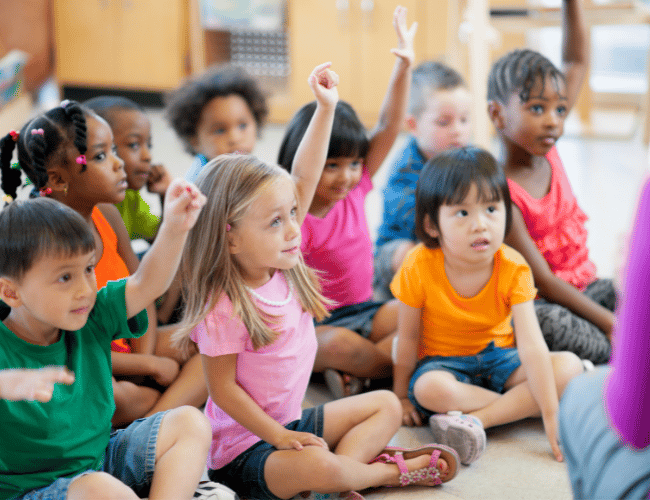
Name Activities
Check out my favorite Name Activities here! Every few years, I get a class filled with little groups of kiddos who are family friends, or sometimes cousins, even siblings. When this happens, we try to intentionally mingle children with other groups while balancing time with more comfortable peers. What isn’t always obvious is that sometimes it may seem like a child is always choosing their bestie – for example, our child of the day brings in show-and-tell, and they get to choose 3 classmates to ask questions about their item. At first glance, a child always choosing their bestie seems like favoritism, but sometimes it’s just that they are already nervous and don’t want to mess up another classmate’s name! So include many, many name activities and opportunities for children to learn each other’s names. It feels great when you are 4 and a new classmate sees your name on the board and calls it out because they already recognize it. All of the steps that create an inclusive classroom support friendships too!
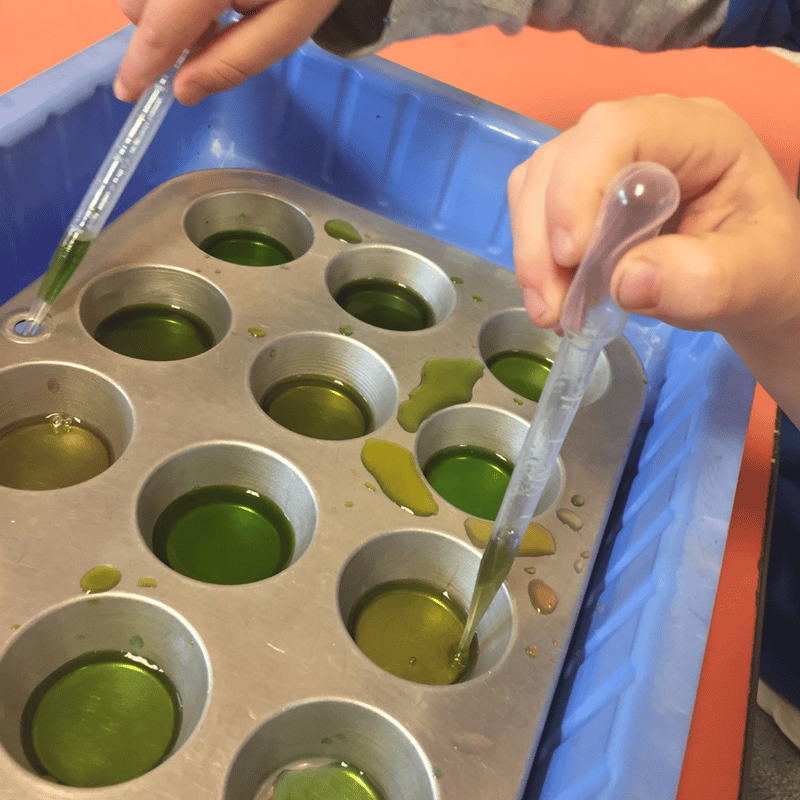
Use intentional small groups, but also make space for small groups in all learning areas.
I am a big believer in creating natural opportunities for children to wait their turn, navigate sharing or not sharing, and deal with limited resources. I purposefully don’t have a million copies of popular books or toys because I want my students to learn and practice problem-solving. I don’t tell them how, but I am there to support. That said, young children learn best when they are being social, not alone, so even when an activity could be done alone, make space for it to be done in pairs or a small group. The color mixing activity above can absolutely be done solo, but I always put two pipettes out so it can be done in pairs too! Learn more about small groups here.
Loop In Families!
When problems arise, talk to your students’ grown-ups quickly. At least for me, conflicts outside of the class seep into my classroom, and we can’t fix that without parent input. Here are some tips for feeling confident about talking to parents.
Leave a Comment